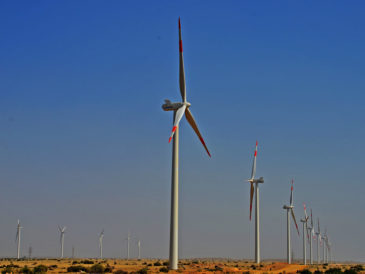
Indian infrastructure projects are gaining momentum as AECOM secures a pivotal role in $15 billion worth of developments. This involvement highlights the growing investment in India’s infrastructure sector.
Overview of AECOM’s Role
AECOM, a global leader in engineering and construction management, has recently secured a significant role in the development of Indian infrastructure projects valued at approximately $15 billion. This milestone highlights the growing interest and investment opportunities in India’s infrastructure sector, which is crucial for the country’s economic growth.
The firm will be involved in various stages of these projects, from planning and design to execution and management. AECOM’s expertise in delivering complex infrastructure solutions positions it well to contribute to India’s ambitious goals of enhancing transportation, utilities, and urban development.
Key aspects of AECOM’s involvement include:
- Innovative Solutions: Incorporating advanced technologies and sustainable practices in project execution.
- Collaborative Approach: Working alongside local governments and stakeholders to ensure projects align with national priorities.
- Job Creation: Contributing to economic growth by generating employment opportunities in the construction sector.
As the demand for robust infrastructure continues to rise in India, AECOM’s role in these large-scale projects may present a compelling investment opportunity for stakeholders looking to capitalize on the country’s development trajectory.
Impact on Indian Economy
The recent surge in Indian infrastructure projects is poised to have a profound impact on the nation’s economy. As substantial investments flow into various sectors, including transportation, energy, and urban development, the benefits are expected to ripple throughout the economic landscape.
Key areas of impact include:
- Job Creation: The infrastructure boom is anticipated to generate millions of jobs, both directly and indirectly, thereby reducing unemployment rates and enhancing living standards.
- Increased Connectivity: Improved transport networks will facilitate smoother movement of goods and services, boosting trade and commerce across regions.
- Attracting Foreign Investment: Enhanced infrastructure will make India a more appealing destination for foreign investors, further stimulating economic growth.
- Sustainable Development: Many projects prioritize sustainability, promoting green technologies that can lead to long-term environmental benefits.
These factors combined indicate that Indian infrastructure projects are not merely an opportunity for growth but a cornerstone for developing a resilient and robust economy. As key players like AECOM step in, the positive implications for the nation’s financial health and global standing become increasingly evident.
Challenges in Infrastructure Development
Despite the promising prospects of Indian infrastructure projects, several challenges hinder their successful execution. The complexity of these projects often leads to significant delays and cost overruns, which can deter potential investors.
One major challenge is the bureaucratic red tape that slows down decision-making processes. Often, multiple approvals are required from various government bodies, resulting in prolonged timelines. Additionally, land acquisition issues pose a significant hurdle. Securing land for large-scale infrastructure development can lead to disputes, which further complicates project implementation.
The availability of financing is another concern. Although there is increasing interest in public-private partnerships, many projects still rely heavily on government funding, which can be inconsistent.
Moreover, skills shortages in the labor market affect the execution of projects. The construction sector often faces difficulties in finding skilled workers, which can lead to substandard work and additional delays.
Lastly, environmental regulations and sustainability concerns are growing priorities. There is a need for infrastructure projects to balance development with ecological preservation, which can add layers of complexity to project planning and execution.
Addressing these challenges is essential for realizing the full potential of Indian infrastructure projects as a viable investment opportunity.
Future of Indian Projects
The future of Indian infrastructure projects appears promising, driven by both government initiatives and private sector investments. As the country continues to develop, the demand for enhanced infrastructure is expected to grow significantly.
Several key factors will shape the landscape of these projects:
- Government Support: The Indian government has launched various programs aimed at facilitating faster project approvals and funding, which will likely accelerate development timelines.
- Foreign Investment: Increased interest from international investors, such as AECOM, is expected to bring in much-needed capital and expertise, enhancing the quality of infrastructure.
- Technological Advancements: Innovations in construction technology and project management are set to improve efficiency and reduce costs, making Indian infrastructure projects more attractive to investors.
- Sustainability Focus: With a growing emphasis on sustainable and eco-friendly solutions, future projects are likely to prioritize green technologies, aligning with global trends.
As these elements converge, Indian infrastructure projects may emerge as one of the most lucrative investment opportunities, offering potential returns that align with broader economic growth and development goals.
Key Players in the Sector
In the burgeoning landscape of Indian infrastructure projects, several key players are instrumental in shaping the future of the sector. These entities are not only pivotal in project execution but also play a significant role in attracting investment and driving innovation.
- AECOM: As highlighted in recent developments, AECOM has secured roles in $15 billion worth of Indian infrastructure projects, positioning itself as a leader in the market. Their expertise spans various sectors, including transportation, water, and energy.
- IL&FS: Infrastructure Leasing & Financial Services has been a major contributor to infrastructure growth in India, focusing on financing and developing large-scale projects.
- Larsen & Toubro: Known for its engineering prowess, Larsen & Toubro is heavily involved in construction and project management, ensuring timely delivery and adherence to quality standards.
- GMR Group: With a focus on airports and energy, GMR Group has made significant investments in expanding India’s infrastructure capabilities.
These players, among others, are not only facilitating development but also creating a competitive environment that enhances the attractiveness of Indian infrastructure projects as lucrative investment opportunities.
References
Related stories
Delhi NCR Urban Projects: Best Proven Civic Updates · Streator tax levy: Clear Budget Approval Process Explained · PM Modi Bihar project: The Smart Investment Worth Watching