African power projects are gaining momentum as NTPC and Africa50 join forces to enhance energy access across the continent. This partnership promises significant advancements in infrastructure development.
Overview of NTPC and Africa50 Collaboration
NTPC, India’s largest power utility, has recently entered into a strategic partnership with Africa50, an investment platform dedicated to advancing infrastructure projects across Africa. This collaboration is set to enhance the development of significant African power projects, aiming to address the continent’s pressing energy needs.
Through this alliance, both organizations are committed to mobilizing resources and expertise to accelerate the implementation of power generation initiatives. The partnership seeks to leverage NTPC’s extensive experience in power generation and Africa50’s deep understanding of the African market.
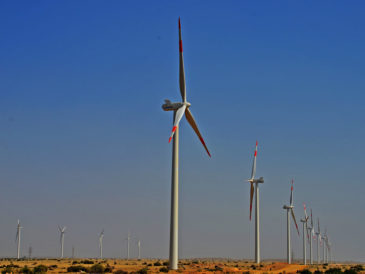
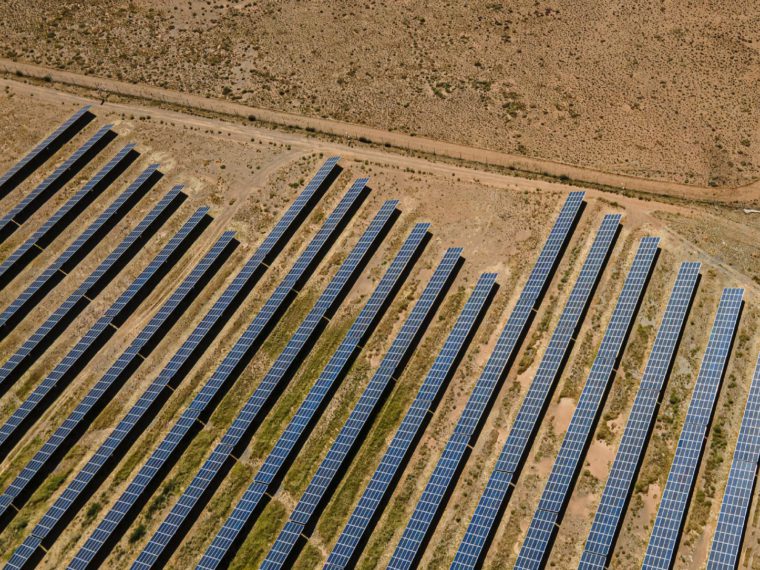
- Investment Opportunities: The collaboration will focus on attracting investments in renewable energy sources, such as solar and wind, which are abundant in many African regions.
- Capacity Building: NTPC will share its technical knowledge to help build local capabilities and ensure sustainable growth in the energy sector.
- Infrastructure Development: The partnership aims to streamline the development of critical energy infrastructure, making it easier to deliver power to underserved communities.
Overall, this collaboration marks a significant step towards realizing the potential of African power projects and promoting economic growth across the continent.
Impact of African Power Projects on Local Communities
The impact of African power projects on local communities is profound and multifaceted. These initiatives not only provide essential electricity but also stimulate economic growth and social development.
Local communities benefit in various ways, including:
- Job Creation: The construction and maintenance of power plants create numerous job opportunities, improving the livelihoods of many.
- Increased Access to Electricity: With reliable energy sources, households can access essential services such as lighting, cooking, and heating.
- Enhanced Education: Schools benefit from electrification, allowing for extended study hours and access to digital learning resources.
- Boosted Local Businesses: Small businesses thrive as they gain access to power, enabling them to operate more efficiently and expand their services.
Moreover, African power projects foster community engagement, encouraging residents to participate in decision-making processes. Through these initiatives, local populations can harness the benefits of reliable energy, paving the way for sustainable growth and development.
Future of Renewable Energy in Africa
The future of renewable energy in Africa is poised for remarkable transformation, driven by innovative initiatives such as the collaboration between NTPC and Africa50. This partnership aims to address the continent’s energy scarcity while promoting sustainable development through various African power projects.
As nations increasingly recognize the importance of renewable energy sources, several key trends are emerging:
- Investment in Solar Power: Africa is blessed with abundant sunlight, making solar energy a prime focus for future power generation.
- Wind Energy Potential: Coastal regions are exploring wind energy projects, tapping into strong breezes to generate electricity.
- Decentralized Energy Solutions: Off-grid solar systems are becoming popular, providing electricity to remote communities and enhancing energy access.
- Regional Cooperation: Countries are beginning to collaborate on cross-border energy projects, facilitating shared resources and technologies.
By leveraging these opportunities, African power projects can not only boost energy security but also foster economic growth and social development across the continent.
Challenges Facing Power Infrastructure Development
Despite the promising potential of African power projects, several challenges hinder the advancement of power infrastructure development across the continent. One major issue is the lack of financing, which often stems from perceived risks in investment environments. Many investors are hesitant to commit funds due to political instability and economic uncertainty.
Additionally, inadequate regulatory frameworks contribute to the difficulties faced by power projects. Inconsistent policies and bureaucratic red tape can delay project approvals and increase costs. Furthermore, the absence of skilled labor in the energy sector poses a significant barrier, limiting the effective implementation and maintenance of power infrastructure.
Another challenge is the dependency on traditional energy sources, which can stifle innovation and the adoption of renewable energy technologies. As countries strive to meet growing energy demands, they must navigate these obstacles to ensure that African power projects can thrive and contribute to sustainable growth.
Addressing these challenges will be crucial for unlocking the full potential of Africa’s energy resources and fostering economic development.
Photo by Charl Durand on Pexels
References
You might also like
Mijia Sukuai 2027 AC: Best Smart Home Integration for Comfort · Emirati-owned companies: Best Proven Initiative in Dubai · Wyndham hotels India: Proven expansion to 1,000 rooms