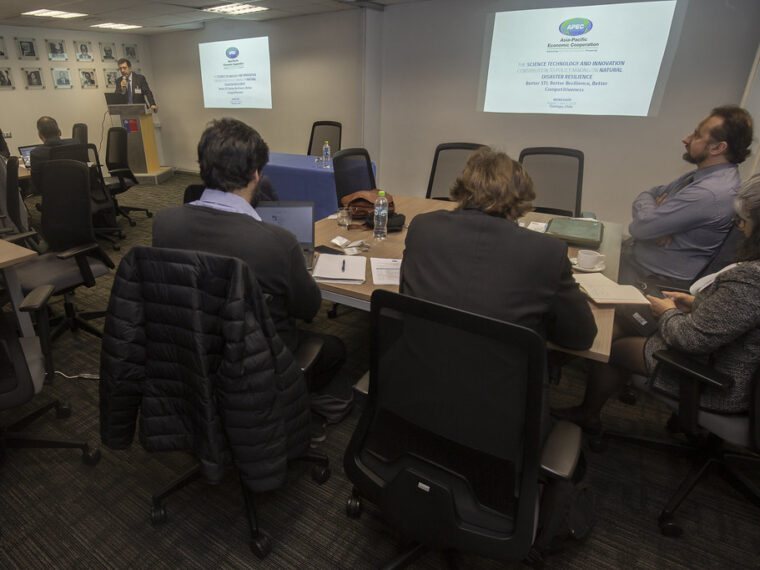
The disaster management resilience project aims to strengthen Keralam’s ability to respond to crises effectively. This initiative is a crucial step towards enhancing safety and preparedness in the region.
Overview of the Disaster Management Resilience Project
The Disaster Management Resilience Project aims to enhance the state’s capability to respond to natural calamities effectively. Launched by the Keralam government, this initiative focuses on building a robust framework that integrates advanced technology and community engagement.
Key components of the project include:
- Risk Assessment: Identifying vulnerable areas and potential hazards.
- Training Programs: Equipping local communities with essential skills in disaster preparedness.
- Infrastructure Development: Strengthening critical infrastructure to withstand disasters.
- Collaboration: Partnering with NGOs and international organizations for resource sharing.
The project’s ultimate goal is to foster resilience among communities, ensuring they can recover swiftly and efficiently from disasters. By implementing the Disaster Management Resilience Project, Keralam seeks to set a benchmark for effective disaster management strategies across the region.
Importance of Disaster Preparedness
Disaster preparedness is crucial for minimizing the impact of natural calamities and ensuring community safety. The Disaster Management Resilience Project aims to enhance the ability of local authorities and citizens to respond effectively to emergencies.
Key reasons for prioritizing disaster preparedness include:
- Risk Reduction: Identifying vulnerabilities allows for proactive measures that mitigate potential damage.
- Community Engagement: Involving residents in planning fosters a sense of responsibility and readiness.
- Resource Optimization: Efficient allocation of resources ensures that help reaches those in need promptly.
- Training and Education: Regular drills and awareness programs equip individuals with the necessary skills to act in emergencies.
By focusing on these aspects, the project not only aims to build resilience but also strengthens the overall framework for disaster management.
Government’s Role in Infrastructure Development
The government plays a crucial role in the development of infrastructure necessary for effective disaster management. With the implementation of the Disaster Management Resilience Project, authorities aim to enhance the resilience of communities against natural calamities.
Key initiatives include:
- Investment in Early Warning Systems: Upgrading technology to predict and respond to disasters more efficiently.
- Strengthening Local Infrastructure: Improving roads, bridges, and communication networks to ensure accessibility during emergencies.
- Community Training Programs: Educating citizens on disaster preparedness and response strategies.
By focusing on these areas, the government not only aims to safeguard lives but also to ensure a quicker recovery process. Collaborative efforts between various departments are essential to create a holistic approach to disaster management.
Community Involvement in Resilience Planning
Community involvement plays a crucial role in the success of the Disaster Management Resilience Project. Engaging local residents fosters a sense of ownership and encourages proactive participation in planning and implementation. By including community voices, the project can better address specific needs and vulnerabilities faced by different groups.
Successful resilience planning involves:
- Education and Training: Providing workshops and resources to equip community members with knowledge about disaster risks.
- Building Partnerships: Collaborating with local organizations to enhance support networks and share resources.
- Feedback Mechanisms: Establishing channels for residents to express their concerns and suggestions, ensuring their voices are heard in decision-making.
Ultimately, a strong foundation of community involvement is essential for the sustainability of the Disaster Management Resilience Project, ensuring that preparedness measures resonate with the people they are designed to protect.
Expected Outcomes of the Initiative
The Disaster Management Resilience Project aims to achieve several key outcomes that will significantly enhance the region’s ability to respond to emergencies. One of the primary goals is to improve the capacity of local authorities in disaster preparedness and response. This will include training programs and resources that empower communities to act swiftly during crises.
Additionally, the initiative seeks to establish a robust early warning system, ensuring timely alerts to residents about impending disasters. By integrating technology and data analytics, the project will promote informed decision-making among stakeholders.
Another expected outcome is the strengthening of infrastructure, making it more resistant to the impacts of natural disasters. This will involve retrofitting existing structures and designing new ones with resilience in mind.
Overall, the Disaster Management Resilience Project is set to foster a culture of preparedness, ensuring that both communities and local governments are better equipped to handle unforeseen events.
Future Steps for Keralam’s Safety
The future of Keralam’s safety hinges on the successful implementation of the Disaster Management Resilience Project. As the initiative progresses, several critical steps will be taken to enhance the region’s preparedness and response capabilities. These steps include:
- Enhancing Training Programs: Regular workshops and drills will be conducted to ensure that both officials and community members are well-equipped to handle emergencies.
- Investing in Technology: The incorporation of cutting-edge technology for real-time data collection and analysis will improve decision-making during disasters.
- Strengthening Partnerships: Collaboration with local and international organizations will be prioritized to share knowledge and resources.
- Community Awareness Campaigns: Ongoing educational initiatives will aim to empower citizens with essential skills and knowledge regarding disaster preparedness.
Through these future steps, the Disaster Management Resilience Project aims to build a robust framework that ensures the safety and security of Keralam’s residents.
By ComunicacionesANID via Openverse
Where this came from
Luxury housing market: Jacob & Co’s ₹2,500-crore project · Lumio TV Price: Best Smart TV Deals for 2026 · Phu Quoc to Shenzhen flights: Easy Connection for Travelers