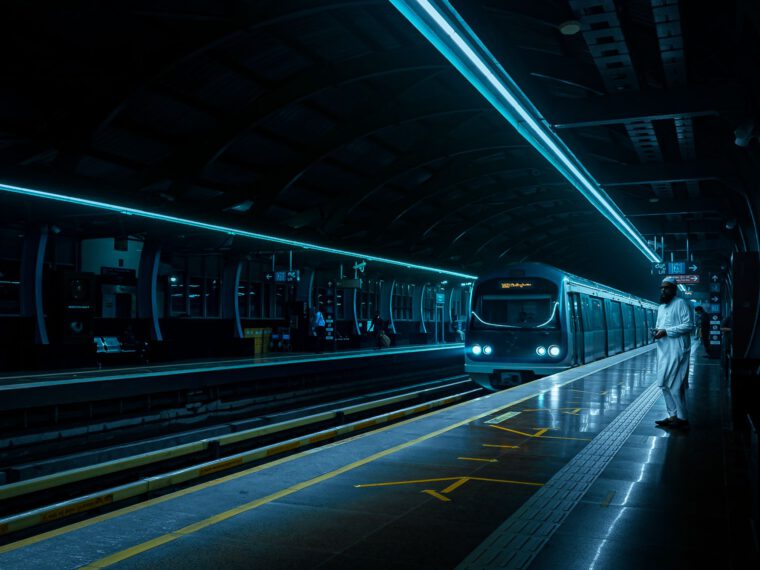
Bengaluru Metro network is on the verge of becoming India’s second-largest metro system. With the inauguration of the Pink Line, residents can expect enhanced connectivity and reduced travel times.
Overview of the Bengaluru Metro
The Bengaluru Metro network is set to become one of the largest and most efficient metro systems in India. With the ongoing expansion, the city is preparing to unveil the Pink Line, which will significantly enhance connectivity across various regions.
This new line is a vital part of the city’s transportation strategy, aimed at easing traffic congestion and promoting sustainable travel options. As the second-largest metro network in the country, it is designed to accommodate the growing population and the increasing number of commuters.
Key features of the Bengaluru Metro network include:
- High Capacity: The network can handle a substantial number of passengers daily, ensuring quick and efficient travel.
- Modern Infrastructure: Equipped with state-of-the-art technology, the metro aims to provide a comfortable and safe traveling experience.
- Environmental Benefits: By reducing reliance on vehicular transport, the metro helps decrease air pollution and carbon emissions.
- Future Expansion Plans: Additional lines are in the pipeline to further enhance connectivity across the city.
As the Pink Line prepares for inauguration, residents eagerly anticipate the improvements the Bengaluru Metro network will bring to urban mobility.
Key Features of the Pink Line
The Pink Line of the Bengaluru Metro network is set to become a significant addition to the city’s public transport system, featuring several key attributes that enhance its functionality and user experience.
- Length and Connectivity: The Pink Line spans approximately 21 kilometers, connecting important areas such as Kalena Agrahara and Nagawara, thereby improving access for commuters.
- Stations: The line boasts a total of 17 stations, strategically located to serve densely populated neighborhoods and key commercial zones.
- Integration: Designed to integrate seamlessly with existing metro lines, the Pink Line enhances the overall efficiency of the Bengaluru Metro network.
- Modern Technology: Equipped with the latest technology, the Pink Line features advanced signaling systems and energy-efficient trains, promoting a sustainable mode of transport.
- Accessibility: The stations are designed to be accessible for all, including provisions for differently-abled passengers, ensuring inclusivity.
As the Pink Line prepares for its inauguration, it is anticipated to significantly alleviate traffic congestion in Bengaluru, making public transport a more attractive option for residents.
Timeline for Inauguration
The Bengaluru Metro network is set to undergo significant expansion with the inauguration of the Pink Line, which is poised to enhance connectivity across the city. Below is the timeline for the inauguration and subsequent phases of the project:
- Phase 1 Completion: The first phase of the Bengaluru Metro network was officially inaugurated in 2011, laying the groundwork for the city’s urban transit.
- Pink Line Inauguration: Scheduled for December 2023, the Pink Line is expected to significantly improve travel times and reduce congestion.
- Phase 2 Expansion: Following the Pink Line, Phase 2 of the Bengaluru Metro network is projected to be completed by mid-2025, further extending the reach of metro services.
- Future Developments: Plans for additional lines are already in discussion, aiming to develop a comprehensive transit network by 2030.
This timeline reflects the city’s commitment to expanding the Bengaluru Metro network, ensuring that residents have efficient and reliable public transport options. As these developments unfold, they promise to transform daily commutes for thousands of citizens.
Benefits to Commuters
The expansion of the Bengaluru Metro network brings numerous benefits to commuters, enhancing the overall travel experience in the city. With the introduction of the Pink Line, residents can look forward to reduced travel times, making daily commutes more efficient.
One significant advantage is the increased connectivity across various parts of Bengaluru. This new line links important areas, allowing commuters to access workplaces, educational institutions, and commercial hubs with ease. Additionally, the integration of the Metro with other public transport systems will further streamline travel options.
Furthermore, the Bengaluru Metro network promotes environmental sustainability. By encouraging more people to use public transport, the city can reduce traffic congestion and lower carbon emissions, contributing to a cleaner urban environment.
Safety and comfort are also prioritized with the new network. Modern amenities, including air-conditioned coaches and real-time updates, ensure a pleasant journey for passengers. Moreover, the increased frequency of trains will minimize waiting times, allowing commuters to plan their travels more effectively.
In summary, the expansion of the Bengaluru Metro network not only improves accessibility but also supports eco-friendly commuting, making it a significant development for the city’s residents.
Impact on Traffic Congestion
The expansion of the Bengaluru Metro network is expected to significantly alleviate traffic congestion in the city. With the addition of the Pink Line, commuters will have access to a more efficient means of travel, reducing the reliance on personal vehicles and thereby decreasing road traffic.
Several key factors contribute to the positive impact of the metro expansion:
- Increased Capacity: The new lines will accommodate a higher volume of passengers, leading to fewer cars on the roads.
- Reduced Travel Times: By providing a fast and reliable mode of transportation, the metro will help commuters reach their destinations quicker, minimizing delays caused by road traffic.
- Encouraging Public Transport Use: The convenience of the metro is likely to encourage more residents to opt for public transport over private vehicles.
- Environmental Benefits: A decrease in the number of cars on the road will contribute to lower emissions, fostering a cleaner urban environment.
As the Bengaluru Metro network continues to expand, the city can anticipate a transformation in its traffic patterns, leading to a more sustainable urban mobility solution.
Future Expansion Plans
The future of the Bengaluru Metro network looks promising, with several expansion plans slated for the coming years. The objective is to enhance connectivity across the city and cater to the growing population.
Upcoming projects include:
- Phase 2 Extension: This extension aims to reach key areas such as Whitefield, Sarjapur, and the Airport, significantly reducing travel time for commuters.
- New Lines: Plans for new lines are underway, focusing on areas that currently lack adequate public transport options.
- Integration with Other Transport: Efforts to integrate the metro with bus services, suburban trains, and other modes of transport will be prioritized, ensuring seamless travel.
In addition, there will be an emphasis on sustainability, with eco-friendly practices incorporated into construction and operations. The authorities are keen on using advanced technology to improve efficiency and safety.
These plans reflect a commitment to making the Bengaluru Metro network not only a mode of transport but a vital component of urban infrastructure, promoting economic growth and reducing carbon footprints.
Community Reactions
Community reactions to the expansion of the Bengaluru Metro network have been overwhelmingly positive, with many residents expressing excitement about the upcoming changes. Local citizens have taken to social media to share their thoughts on the benefits that the Pink Line will bring to their daily commutes.
Many commuters are particularly pleased with the prospect of reduced travel times and increased accessibility to various parts of the city. A resident of Whitefield noted, “The Bengaluru Metro network will make a significant difference in how we navigate through the city. It’s about time we had a reliable public transport system.”
However, some concerns have been raised regarding the construction disruptions that have occurred during the development phase. A local business owner mentioned, “While we understand the need for expansion, the construction process has impacted our foot traffic. We hope that the benefits will outweigh these challenges in the long run.”
Additionally, community forums have hosted discussions on how the expanded metro lines could help alleviate pollution and promote greener commuting options. Overall, residents are hopeful that the new additions to the Bengaluru Metro network will ultimately enhance their quality of life.
Photo by vasuchandran mv on Pexels