
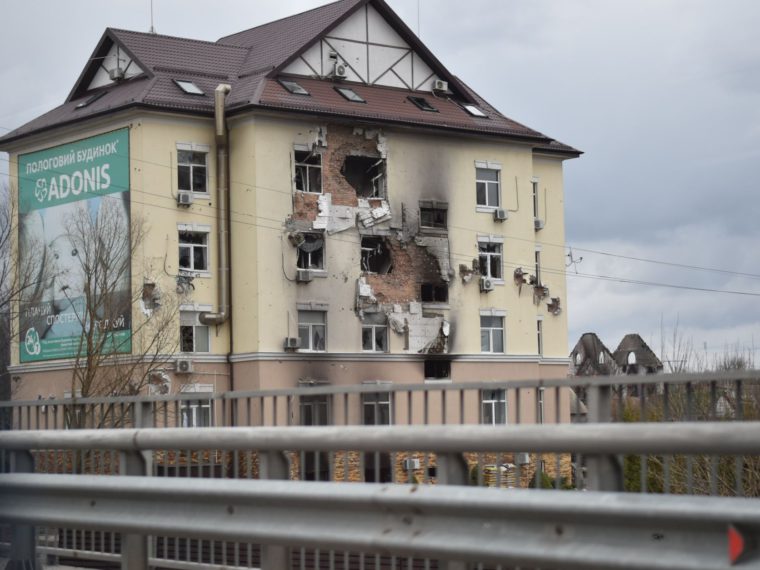
Ukraine drone attacks have intensified recently, with over 1,000 drones targeted at Russia, notably hundreds aimed at Moscow. This escalation raises significant concerns about the ongoing conflict.
Overview of Ukraine Drone Attacks
In recent months, Ukraine has intensified its drone warfare against Russia, marking a significant shift in the conflict’s dynamics. The Ukrainian military has launched over 1,000 drones, targeting various locations, including the heart of Moscow. This surge in drone attacks has raised alarms within the Russian government and military establishments.
The use of drones has enabled Ukraine to conduct operations with increased efficiency and precision, allowing them to strike strategic points while minimizing personnel risk. The Ukrainian forces have demonstrated their capability to penetrate deep into Russian territory, showcasing an evolving military strategy that relies heavily on aerial technology.
The implications of these Ukraine drone attacks are profound:
- Psychological Impact: The ability to strike within Russia has heightened fear and anxiety among the Russian populace.
- Military Response: In response, Russia has ramped up its air defense systems and modified its military tactics to counter these threats.
- International Attention: The drone attacks have drawn global scrutiny, prompting discussions on the ethics and effectiveness of drone warfare in modern conflicts.
As the situation evolves, the ramifications of Ukraine’s drone strategy on Russian military operations and civilian life continue to unfold.
Impact on Russian Defense
The recent surge in Ukraine drone attacks has significantly impacted Russian defense strategies and military operations. Analysts suggest that the increasing frequency and intensity of these strikes have forced Russia to reevaluate its defensive measures.
One immediate consequence has been the deployment of advanced air defense systems. Russia has reportedly increased its investment in anti-drone technology, aimed at intercepting and neutralizing threats before they reach critical targets. This shift highlights a growing recognition within the Russian military of the importance of countering drone warfare.
Furthermore, these attacks have exposed vulnerabilities in Russia’s military infrastructure. Many reports indicate that several drone strikes have successfully targeted military installations and supply lines, leading to substantial operational disruptions. In response, Russia has begun relocating some of its assets to more secure locations, revealing the psychological impact of these drone strikes on Russian military planning.
Additionally, the international community is closely observing the effectiveness of Ukraine’s drone capabilities. As these attacks continue, they may influence foreign military assistance to Ukraine, prompting further developments in drone technology and tactics.
Overall, the ongoing drone warfare appears to be reshaping the dynamics of the conflict and challenging Russia’s longstanding military dominance in the region.
Civilian Casualties Reported
The ongoing Ukraine drone attacks have raised significant concerns regarding civilian casualties in Russia. Recent reports indicate that as Ukraine fires over 1,000 drones, the impact on innocent lives is becoming more apparent. Authorities in several Russian cities have begun to document the fallout from these assaults.
According to local sources, the following civilian casualties have been reported:
- In Moscow, two civilians were injured when a drone struck a residential building, causing extensive damage.
- In the region of Bryansk, a drone attack led to the death of one individual and injuries to three others as it targeted a marketplace.
- Infrastructure damage has been reported in multiple areas, affecting hospitals and schools, which has raised alarm among residents.
As these incidents unfold, the Russian government faces mounting pressure to address the safety of its citizens. The civilian toll of the Ukraine drone attacks is prompting discussions about the broader implications of the conflict, including the potential for escalating violence and further retaliation. While military objectives are often highlighted, the human cost of these operations cannot be overlooked, making it essential to consider the welfare of civilians caught in the crossfire.
International Reactions
The recent surge in Ukraine drone attacks has elicited a wide range of international reactions, reflecting the global concern over the escalating conflict. Nations around the world are closely monitoring the situation, weighing the implications of these attacks for regional stability and international security.
Many Western countries have expressed support for Ukraine’s right to defend itself against aggression. The United States has reiterated its commitment to aiding Ukraine, emphasizing military support and intelligence sharing to bolster its defenses. European nations, particularly those bordering Russia, have voiced their apprehension regarding the potential for these drone attacks to provoke a harsh response from Moscow.
- France: Called for a diplomatic solution, urging both sides to engage in dialogue.
- Germany: Warned that further escalation could lead to a wider conflict, affecting European security.
- China: Advocated for peace talks, highlighting the need for stability in the region.
On the other hand, some nations have criticized Ukraine’s drone strategy, suggesting that it might further strain relations and escalate tensions. As the situation develops, the international community remains vigilant, aware that the ramifications of these Ukraine drone attacks could extend far beyond the immediate conflict.
Historical Context of Drone Warfare
The use of drones in warfare has evolved significantly over the past few decades, shifting the dynamics of conflict. Ukraine drone attacks mark a notable chapter in this transformation, as they showcase the increasing reliance on unmanned aerial vehicles (UAVs) for strategic objectives.
Historically, drones were primarily utilized for surveillance and reconnaissance purposes. However, the advent of advanced technology has allowed for their deployment as offensive weapons. This shift began in earnest during the conflicts in the Middle East, where both state and non-state actors harnessed drone capabilities to target adversaries with precision while minimizing risks to personnel.
In the context of the Ukraine conflict, the integration of drone warfare has introduced new tactics that challenge traditional military responses. Ukrainian forces have successfully employed drones to gather intelligence and execute strikes, causing significant disruptions within the Russian military framework.
Key aspects of this evolution include:
- Cost-effectiveness: Drones are generally less expensive to produce and operate compared to conventional aircraft.
- Precision strikes: UAVs can deliver payloads with remarkable accuracy, reducing collateral damage.
- Accessibility: The proliferation of drone technology has made it easier for various actors to engage in modern warfare.
As the conflict progresses, the implications of Ukraine drone attacks will likely continue to resonate across global military strategies.
Future Implications for Ukraine
The recent surge in Ukraine drone attacks has not only altered the battlefield dynamics but also raised significant questions about the future implications for Ukraine’s military strategy and its geopolitical stance. As Ukraine continues to deploy drones effectively, the reliance on unmanned aerial vehicles may shape its defense policies for years to come.
One major implication of these drone attacks is the potential for Ukraine to strengthen its defense capabilities while simultaneously deterring further aggression from Russia. By showcasing its technological prowess, Ukraine could foster greater support from Western allies, leading to increased military aid and advanced weaponry. This support may enhance Ukraine’s capacity to conduct precise strikes and gather intelligence, fundamentally altering the conflict’s landscape.
Moreover, the growing effectiveness of drone warfare could inspire other nations facing similar threats to invest in similar technologies. As countries observe the results of Ukraine’s drone attacks, they may recognize the strategic advantages of incorporating unmanned systems into their own military frameworks.
However, the evolving nature of warfare also presents challenges. The increased use of drones may lead to an arms race in the region, prompting Russia to enhance its air defenses and retaliatory capabilities, thereby prolonging the conflict. The long-term consequences of these developments remain uncertain, but the implications for Ukraine and its allies are profound.
Analysis of Military Strategies
The ongoing Ukraine drone attacks have prompted a significant reassessment of military strategies employed by both Ukraine and Russia. As Ukraine continues to utilize drones as a primary tool in its offensive operations, the effectiveness and adaptability of these strategies are coming under scrutiny.
Ukrainian forces have demonstrated an innovative approach by integrating drones into their overall military framework. This includes:
- Targeted Surveillance: Drones are used for real-time reconnaissance, allowing Ukrainian troops to gather intelligence on Russian positions.
- Precision Strikes: Armed drones are capable of executing targeted strikes on critical infrastructure, disrupting supply chains and logistics for Russian forces.
- Psychological Warfare: The constant threat of drone attacks creates a sense of unease among Russian troops, impacting morale and operational effectiveness.
On the Russian side, the response to these Ukraine drone attacks has involved strengthening air defenses and enhancing counter-drone technologies. However, the rapid evolution of drone warfare has outpaced many traditional defense protocols, leaving gaps that Ukraine continues to exploit.
This dynamic battle of strategies underscores a pivotal shift in modern warfare, where adaptability and innovation are crucial for success on the battlefield.
Conclusion on Drone Warfare Trends
In analyzing the ongoing trends in drone warfare, particularly regarding the Ukraine drone attacks, it becomes evident that this modern conflict is reshaping traditional military strategies and geopolitical dynamics. The extensive use of drones by Ukraine has introduced a new paradigm, emphasizing speed, precision, and cost-effectiveness in military engagements.
The implications of these attacks extend beyond immediate battlefield outcomes. As Ukraine continues to deploy over 1,000 drones, including significant strikes aimed at Moscow, Russia’s military response is likely to evolve. This shift could lead to an increased emphasis on air defenses and counter-drone technologies, fundamentally altering the landscape of regional security.
Furthermore, the psychological impact of drone warfare cannot be understated. The constant threat posed by these unmanned vehicles has affected civilian morale in Russia and altered public perceptions of the war. As drone technology becomes more accessible, other nations may follow Ukraine’s example, escalating global tensions and prompting an arms race in drone capabilities.
Ultimately, the Ukraine drone attacks illustrate the changing nature of warfare. As both sides adapt to these developments, it is crucial to monitor how such trends will influence future conflicts and international relations.
The recent Ukraine drone attacks have raised significant concerns about Russia’s military preparedness. As the frequency of Ukraine drone attacks increases, analysts are closely monitoring the potential shifts in the regional power dynamics.
Photo by Serhii Bondarchuk on Pexels
