
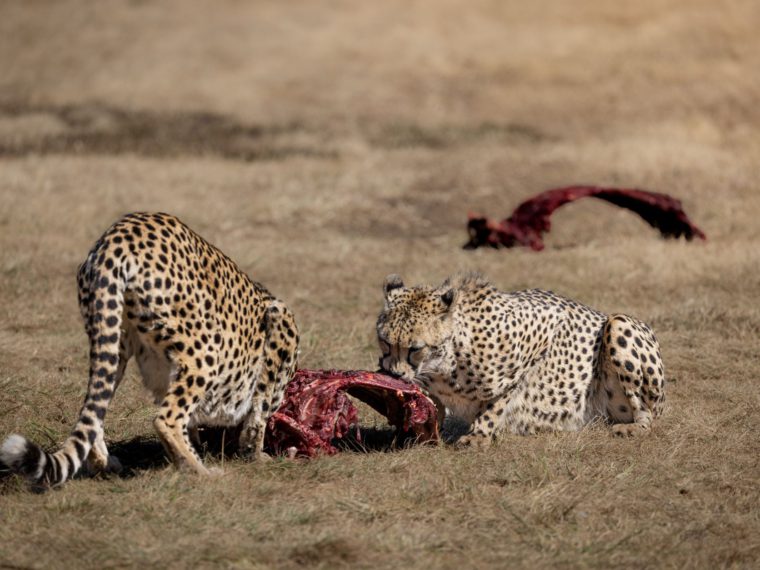
Project Cheetah survivors have reached an impressive total of 52, showcasing the success of conservation efforts in India. This includes 32 individuals born in the country, highlighting a positive trend in wildlife preservation.
Overview of Project Cheetah
Project Cheetah, an ambitious initiative aimed at reintroducing cheetahs to India, has made significant strides since its inception. Over the past four years, the project has successfully recorded 52 survivors, showcasing the resilience and adaptability of these magnificent animals in their new environment.
Among these survivors, 32 have been born in India, marking a crucial milestone in the conservation efforts. The project, which started with the introduction of cheetahs from Namibia, has focused on creating a sustainable population in the Kuno National Park. This area was selected for its suitable habitat and prey availability, essential for the cheetahs’ survival.
The results of Project Cheetah have been closely monitored, with researchers documenting the health and behavior of the cheetahs. Notable successes include:
- Increased Birth Rates: The birth of 32 cubs indicates a stable breeding population.
- Adaptation to Habitat: Cheetahs have shown remarkable adaptability to the Indian landscape.
- Community Engagement: Local communities have become involved in conservation efforts, fostering a supportive environment.
These achievements highlight the potential of Project Cheetah survivors to thrive in a restored ecosystem, ensuring a future for this endangered species in India.
Success Rates of Cheetah Survival
The success rates of cheetah survival under Project Cheetah have shown promising results over the past four years. According to the latest reports, the initiative has successfully recorded 52 cheetah survivors, which is a significant milestone in the conservation efforts focused on this magnificent species.
Of the 52 survivors, 32 have been born in India, showcasing the effectiveness of the project in not only reintroducing cheetahs but also in fostering a sustainable population within their natural habitat. This is a testament to the careful planning and execution of Project Cheetah, which aimed to re-establish cheetahs in India after a long absence.
Key factors contributing to the success rates include:
- Habitat restoration: Ensuring that the environment is conducive for cheetah survival.
- Monitoring and research: Continuous tracking of cheetah behavior and health.
- Community involvement: Engaging local communities in conservation efforts.
The survival rates of these cheetahs reflect not only the dedication of conservationists but also the potential for a thriving future for the Project Cheetah survivors in India.
Impact of Conservation in India
The impact of conservation efforts in India has been profound, particularly in relation to the Project Cheetah survivors. Over the past four years, the initiative has not only reinvigorated the local ecosystem but also provided valuable insights into wildlife preservation strategies. The introduction of cheetahs to Kuno National Park has resulted in a remarkable increase in the genetic diversity of the species, essential for long-term survival.
Data collected from the project highlights several key outcomes:
- Population Growth: A total of 52 cheetahs have been recorded, with 32 cubs born in India, showcasing successful breeding initiatives.
- Habitat Restoration: Conservation efforts have led to the rejuvenation of habitats, allowing not just cheetahs but also other species to thrive.
- Community Involvement: Local communities have become engaged in conservation efforts, promoting awareness and fostering a sense of ownership over wildlife preservation.
- Ecological Balance: The reintroduction of cheetahs has helped maintain the balance of the ecosystem, controlling prey populations and enhancing biodiversity.
These positive developments underscore the effectiveness of targeted conservation strategies in India, highlighting the importance of programs like Project Cheetah in safeguarding the future of endangered species.
Challenges Facing Cheetah Populations
The challenges facing cheetah populations are multifaceted and require targeted solutions to ensure their survival. Despite the success of initiatives like Project Cheetah, which has seen the emergence of Project Cheetah survivors, various obstacles remain.
- Habitat Loss: Rapid urbanization and agricultural expansion have led to significant habitat degradation, reducing the space available for cheetahs to roam and hunt.
- Human-Wildlife Conflict: As human populations encroach on wildlife habitats, instances of conflict increase, often resulting in the death of cheetahs through retaliatory actions from farmers.
- Poaching and Illegal Trade: Cheetahs are targeted for their beautiful pelts and as exotic pets, enforcing a need for stricter laws and effective enforcement to combat this illegal trade.
- Climate Change: Altered weather patterns can disrupt the ecosystems cheetahs rely on, impacting prey availability and their overall survival rates.
Addressing these challenges is crucial for the continued success of Project Cheetah and the protection of its survivors. Collaborative efforts involving local communities, governments, and conservation organizations are essential to creating a sustainable future for these magnificent animals.
Future of Project Cheetah
The future of Project Cheetah appears promising, as evidenced by recent reports highlighting the success of the program in Kuno National Park. With 52 survivors recorded, including 32 cubs born in India, the initiative showcases a significant turnaround for the species in its new habitat. These Project Cheetah survivors represent a vital step toward restoring the cheetah population in the country, where they have been extinct for decades.
Moving forward, the focus will be on ensuring these cheetahs adapt well to their environment and thrive in the wild. Conservationists are prioritizing habitat protection and addressing human-wildlife conflicts that may arise as the population grows. Regular monitoring and research will play a crucial role in understanding the behavior and health of these animals.
Furthermore, community involvement is essential for the sustained success of the project. Raising awareness about the importance of cheetah conservation can foster coexistence between local communities and wildlife. Partnerships with local stakeholders will help mitigate challenges and promote a balanced ecosystem in the region.
As Project Cheetah continues to evolve, the evidence of success thus far inspires optimism for the future of this majestic species in India.
The recent studies have highlighted the resilience of Project Cheetah survivors in adapting to their new environments. These findings underscore the significant impact of conservation efforts on the well-being of Project Cheetah survivors.
Photo by Magda Ehlers on Pexels
