Vande Bharat trains are transforming the way people travel across India. With innovative infrastructure projects, these trains significantly reduce travel times and enhance the overall travel experience.
Overview of Vande Bharat Trains
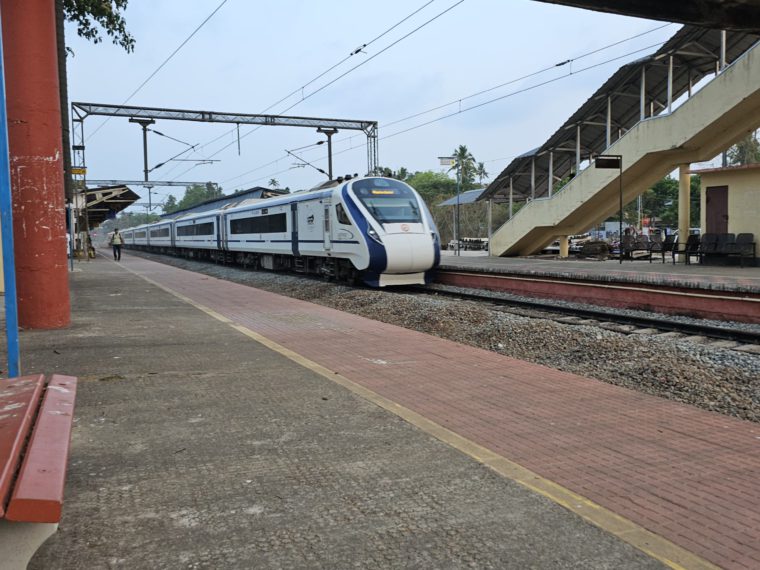
The Vande Bharat trains represent a significant advancement in India’s rail infrastructure, showcasing a blend of speed, comfort, and modern technology. These semi-high-speed trains, also known as Train 18, have been designed to enhance the travel experience for passengers across the country.
With their sleek design and advanced features, Vande Bharat trains have transformed the way people travel in India. Some of the key highlights of these trains include:
- Speed: Capable of reaching speeds up to 160 km/h, Vande Bharat trains drastically reduce travel time between major cities.
- Comfort: The trains are equipped with comfortable seating, ample legroom, and modern amenities, making long journeys more enjoyable.
- Technological Advancements: These trains feature state-of-the-art safety systems, including automatic doors and fire detection mechanisms, ensuring passenger safety.
- Eco-Friendly: Designed with energy efficiency in mind, Vande Bharat trains contribute to reducing carbon emissions and promoting sustainable travel.
Additionally, the introduction of Vande Bharat trains is part of a broader initiative to modernize the Indian railway network, which includes various infrastructure projects aimed at enhancing connectivity and boosting economic development. As travel times decrease and comfort improves, the Vande Bharat trains are poised to redefine the future of rail travel in India.
Impact on Travel Times in India
The introduction of Vande Bharat trains has significantly transformed travel times across India, providing a modern solution to the country’s transportation challenges. These semi-high-speed trains are designed to offer faster journeys while ensuring passenger comfort and safety.
One of the most notable impacts of the Vande Bharat trains is the reduction in travel times between major cities. For instance, the journey between Delhi and Varanasi has been reduced by several hours, allowing passengers to complete their trips in a fraction of the time it previously took. This efficiency not only enhances convenience but also encourages more people to opt for train travel over other modes of transportation.
Additionally, the impact on regional connectivity cannot be overstated. The Vande Bharat trains link remote areas with urban centers, fostering economic growth and accessibility. As a result, businesses can thrive, and residents in these regions can enjoy improved access to services and opportunities.
Furthermore, the introduction of Vande Bharat trains has prompted upgrades in railway infrastructure, leading to enhanced safety measures and better facilities at stations. The emphasis on technology and innovation in train operations has set a new benchmark for rail travel in India.
In summary, the Vande Bharat trains are not just a mode of transport; they represent a broader shift towards efficient and sustainable travel, significantly impacting travel times throughout the country.
Key Infrastructure Projects Supporting Vande Bharat
The introduction of Vande Bharat trains has been accompanied by several key infrastructure projects that bolster their efficiency and reliability. These initiatives play a crucial role in ensuring that the travel experience is not only swift but also comfortable for passengers. Below are some of the notable projects supporting Vande Bharat trains:
- Dedicated Freight Corridors: The establishment of dedicated freight corridors significantly reduces congestion on passenger lines, allowing Vande Bharat trains to operate at higher speeds.
- Station Upgrades: Major railway stations are undergoing renovations to accommodate the advanced technology and passenger amenities that Vande Bharat trains offer. This includes improved waiting areas, digital information systems, and enhanced safety features.
- Electrification Projects: The ongoing electrification of railway routes is vital for the efficient operation of Vande Bharat trains, enabling them to run on electric power, thus reducing operational costs and environmental impact.
- Track Improvements: Upgrades to existing tracks ensure that Vande Bharat trains can maintain higher speeds with safety. This includes innovations such as better signaling systems and track maintenance technologies.
These infrastructure enhancements not only support the operational aspects of Vande Bharat trains but also contribute to improving the overall travel experience for millions of passengers across India. As these projects progress, they promise to further revolutionize train travel in the country.
Benefits of Modern Train Technology
The introduction of Vande Bharat trains has brought numerous benefits to modern travel in India, showcasing the advantages of advanced train technology.
One significant benefit is the enhancement of passenger comfort. Vande Bharat trains are equipped with state-of-the-art amenities, which include:
- Ergonomically designed seating: Passengers can enjoy spacious and comfortable seating arrangements, making long journeys more pleasant.
- Onboard catering services: Quality food options are available, catering to diverse palates and enhancing the overall travel experience.
- Wi-Fi connectivity: Free high-speed internet access allows travelers to stay connected during their journey.
Moreover, the Vande Bharat trains are celebrated for their speed and efficiency. With the ability to reach high speeds rapidly, these trains significantly reduce travel times while maintaining safety standards.
Another essential aspect is the environmental consideration. Vande Bharat trains are designed to be energy-efficient, utilizing regenerative braking systems that help in minimizing energy consumption and reducing carbon footprints.
Finally, the introduction of these modern trains is paving the way for a more robust railway infrastructure in India. By focusing on innovation and technology, the country aims to enhance its transportation network, making travel more accessible and efficient for millions of passengers.
Future of Rail Travel in India
The future of rail travel in India is poised for a transformative shift, largely driven by the introduction and expansion of Vande Bharat trains. These high-speed trains are not only enhancing connectivity but also redefining the travel experience for millions of passengers across the country.
As the government continues to invest in rail infrastructure, it is clear that the Vande Bharat trains will play a pivotal role in shaping the evolution of Indian railways. With plans to increase the number of routes and improve the frequency of services, the accessibility of these trains is set to rise significantly.
Moreover, the integration of advanced technology, such as real-time tracking and automated systems, promises to make rail travel safer and more efficient. Passengers can look forward to shorter travel times and improved punctuality, which are essential for both business and leisure travelers.
In addition to technological advancements, the commitment to sustainable practices is also a crucial aspect of the future rail travel landscape. Vande Bharat trains, designed with energy efficiency in mind, will contribute to reducing the carbon footprint of the transport sector.
With these developments, the Vande Bharat trains are not just a mode of transportation; they symbolize the modernization of India’s rail network, making travel more convenient, faster, and environmentally friendly.
Challenges Facing Indian Railways
The introduction of Vande Bharat trains has been a significant leap for Indian Railways, yet it comes with its set of challenges that need to be addressed to ensure seamless operations and passenger satisfaction.
One of the primary challenges is the need for robust infrastructure that can support the high speeds and advanced technology of Vande Bharat trains. Current railway tracks, in many regions, require upgrades to handle these modern trains safely and efficiently.
Additionally, there is a pressing requirement for effective maintenance systems. The advanced features of Vande Bharat trains demand specialized knowledge and resources for upkeep. Ensuring that maintenance teams are well-trained is essential to prevent service disruptions.
Another significant hurdle is the integration of Vande Bharat with the existing rail network. As these trains operate at higher speeds, synchronizing schedules with slower trains and managing traffic flow becomes crucial to avoid congestion.
Moreover, the increasing passenger numbers pose a challenge in terms of safety measures and crowd management at stations. The infrastructure at many railway stations remains outdated, which can lead to potential safety risks.
In conclusion, while Vande Bharat trains represent a promising advancement in Indian rail travel, overcoming these challenges is vital for maximizing their potential and ensuring a smooth travel experience for passengers.
By Ganesh Mohan T via Openverse
Read the original
Observer Voice · Vande Bharat (trainset)
You might also like
LG C6 series price drop: Honest deal after scandal · Is the housing project Ghaziabad a smart investment choice? · Is Reno airport parking the best simple reservation system?